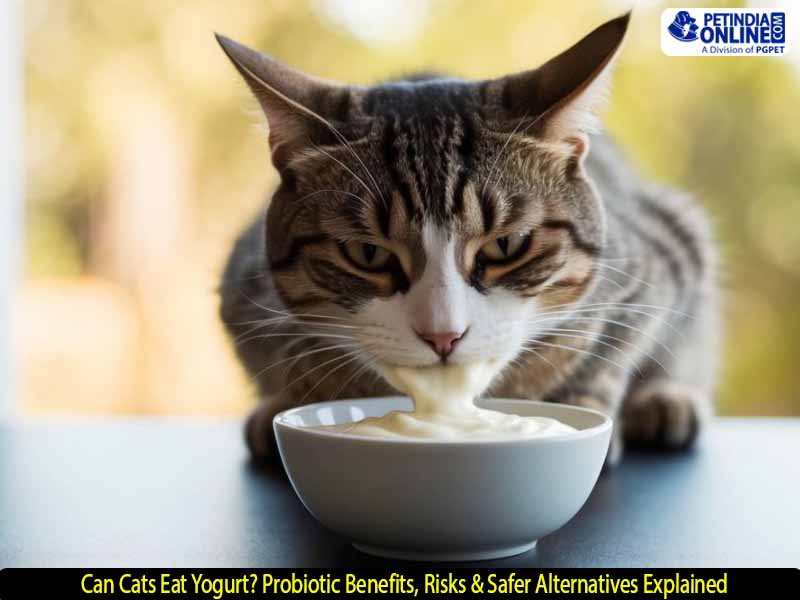
Can Cats Have Yogurt? Probiotic Perks and Safe Alternatives
Most folks who share their home with a cat want easier ways to support gut wellness. While people often call yogurt a go-to for good digestion - could it work just as well for feline bellies? Surprising answers might lie beneath the surface.
Sure, cats might eat yogurt - yet it depends. At PetIndiaOnline, folks often wonder about this. Tiny bits could work fine for certain pets. However, when it comes to gut health, there are better options than dairy. Each cat reacts differently; results
aren’t guaranteed. Watch closely if trying something new. Not every belly likes fermented milk.
Here’s how it looks when we take it apart step by step.
Cats and Milk Digestion?
Milk often upsets a grown cat's stomach.
Most baby cats make a special protein that breaks down milk from their mom. Yet once they get older, that ability fades fast. Because of this shift, grown-up felines often struggle with cheese or cream.
When lactose isn’t digested properly, it can cause:
Diarrhoea
Gas
Bloating
Stomach cramps
Vomiting
Lactose levels drop when milk turns into yogurt, yet the result
stays rooted in dairy. That detail? It counts.
Yogurt versus Milk for Cats?
Yes - plain yogurt is generally safer than milk because:
Fermentation reduces lactose levels
Bacteria that help your body thrive live inside it
A bit denser, simpler to handle when eaten in tiny amounts
Just because something is safer does not make it perfect
One cat might handle yogurt just fine. Another could have stomach trouble after only a small bite. What works for one may not work for another. A tiny amount can cause big issues in sensitive animals. Tolerance varies widely between
individuals. Some show no reaction at all. Others react quickly, even to minimal servings.
Potential Benefits of Yogurt for Cats
Should your cat handle milk products just fine, a little bit of plain yogurt - no sugar added - might bring a few perks
1. Probiotics Help Gut Function
Living microbes such as Lactobacillus thrive in yogurt. Found alongside them, Bifidobacterium plays a role too. Because they survive digestion, these bacteria reach the gut intact. When they settle there, balance may improve. With regular intake, effects might build slowly. Their presence often supports natural processes. Over time,
some notice changes in how they feel.
Support digestion
Improve stool consistency
Restore gut flora after antibiotics
Reduce mild digestive upset
Felines process microbes differently than humans do. Their digestive systems need tailored bacterial support. The live cultures in people's yogurt lack that precise match.
2. Calcium Source
Yogurt contains calcium, which supports:
Bone health
Teeth strength
Muscle function
Cats usually get enough calcium when their diet includes well-balanced store-bought food.
3. Protein Boost
Cats need meat. Though yogurt has a bit of protein, it is not what they thrive on. Chicken, fish, or Turkiye serve them better. Dairy simply does not match the mark.
Yogurt That Isn't Safe
Avoid yogurt if your cat:
Has known lactose intolerance
Suffers from chronic digestive issues
Has kidney disease
Has diabetes
Is overweight
Often deals with loose stools
Flavoured yogurt should stay off the menu entirely.
Avoid:
Sweetened yogurt
Chocolate yogurt
Fruit yogurt
Artificial sweeteners (especially xylitol - it is toxic)
Added sugar
Plain yogurt without sugar might work. Sweetened types are out of the question. Unflavoured comes closest to being okay. Only if nothing was added could it be acceptable.
Yogurt Amounts Safe for Cats?
Should your cat allow it:
✔ Start with ½ to 1 teaspoon
Try keeping it to once or twice each week. That pace tends to work well. Sometimes less is plenty. A little goes a long way here. Not every day needs one. Spacing them out helps
✔ Monitor for diarrhoea or vomiting
If stomach trouble starts, stop using it right away
Fresh now and then, yogurt fits best as a small delight instead of daily fare.
Better Probiotic Choices for Cats
Fermented dairy might offer gut benefits, yet feline-specific supplements often work better without the risks. A cat's digestion handles targeted formulas more easily than human foods meant for different systems.
1. Veterinary Probiotic Supplements
Starting off different - probiotics made just for cats come with bacteria types that match how they digest food. You can get these in forms like powders, capsules, or treats shaped to fit their eating habits
Powder sachets
Chews
Capsules
Paste
These supplements provide consistent, measured probiotic doses without lactose.
2. Probiotic Cat Foods
Beyond the bowl, certain high-end cat meals pack extra probiotics. Crafted specifically to support gut health, they aim at balance inside your pet’s digestive system
Digestive support
Sensitive stomachs
Immune support
Look at the packaging every time - live microbes aren’t promised unless stated. Some brands skip them without warning.
3. Goat Milk Limited Availability
Lactose sits a bit lighter in goat milk compared to what's found in cow milk. While some felines handle it more easily, keeping portions small matters just as much.
4. Bone Broth (Unsalted)
Plain, unsalted bone broth supports:
Gut health
Hydration
Appetite stimulation
Lots of people pick it because their stomachs handle it better. Dairy can upset some folks, but this doesn’t tend to cause the same issues.
Yogurt Upset Your Cat
Watch for:
Loose stool
Increased gas
Vomiting
Decreased appetite
Lethargy
When signs last more than a day, get in touch with your vet.
Can Kittens Eat Yogurt?
Lactose digestion fades fast once kittens start weaning. Still, a few might handle tiny spoonful without trouble. That said, most tummy troubles show up within hours
Kittens thrive best on their mother’s milk or a proper substitute made just for them
Dairy treats are unnecessary
Balanced kitten food provides complete nutrition
Fresh milk might upset a young one's stomach, so hold off without vet advice.
Is Greek Yogurt Better?
Plain geek yogurt ingredients
Higher protein
Fewer milk sugars remain after filtering removes some liquid. What stays behind holds less of that component found in dairy
A different kind of yogurt might work better if you're picking one. Plain Greek comes out ahead by just a bit when compared to the usual type.
Still, just a tiny bit at a time, never too often.
Frequently Asked Questions
Can yogurt cure diarrhoea in cats?
Far from it. Though good bacteria might ease slight gut upset, feeding yogurt won’t fix serious issues. When bowel movements turn frequent and watery, a vet visit becomes necessary.
Can yogurt replace probiotic supplements?
Felines thrive better with supplements designed just for them. These options suit their bodies most closely.
Why do cats seem to like yogurt?
Creamy things catch a cat's attention fast. Yet just because they like it doesn't mean it does them good.
The Bottom Line
Here’s the thing: is yogurt safe for cats?
A speck of it works. Not much needed
✔ Only plain, unsweetened varieties
If your cat handles dairy well, that's when it might be okay
Just not something to take every day
Cats might get some help from yogurt's good bacteria, yet that doesn’t make it the top choice for their digestion. Something made just for them usually works far better.
PetIndiaOnline recommends focusing on
High-quality cat food
Fresh water
Good bacteria support, when your pet's doctor says it helps - simple pills or powders vets sometimes suggest
Regular health check-ups
Built to handle meat, your cat's gut thrives when meals match its natural needs instead of human habits. Though sensitive by design, feeding raw aligns better than cooked scraps ever could.